Fed’s Jeff Schmid Warns Against Concluding Too Quickly That Inflation Is Transitory
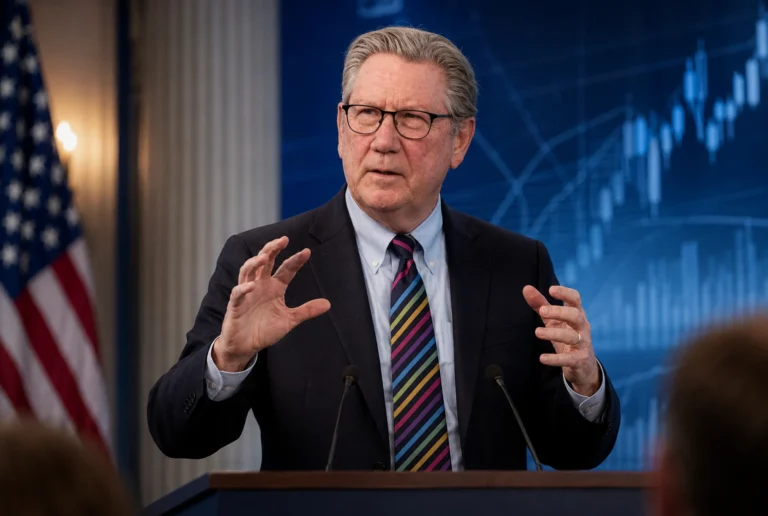
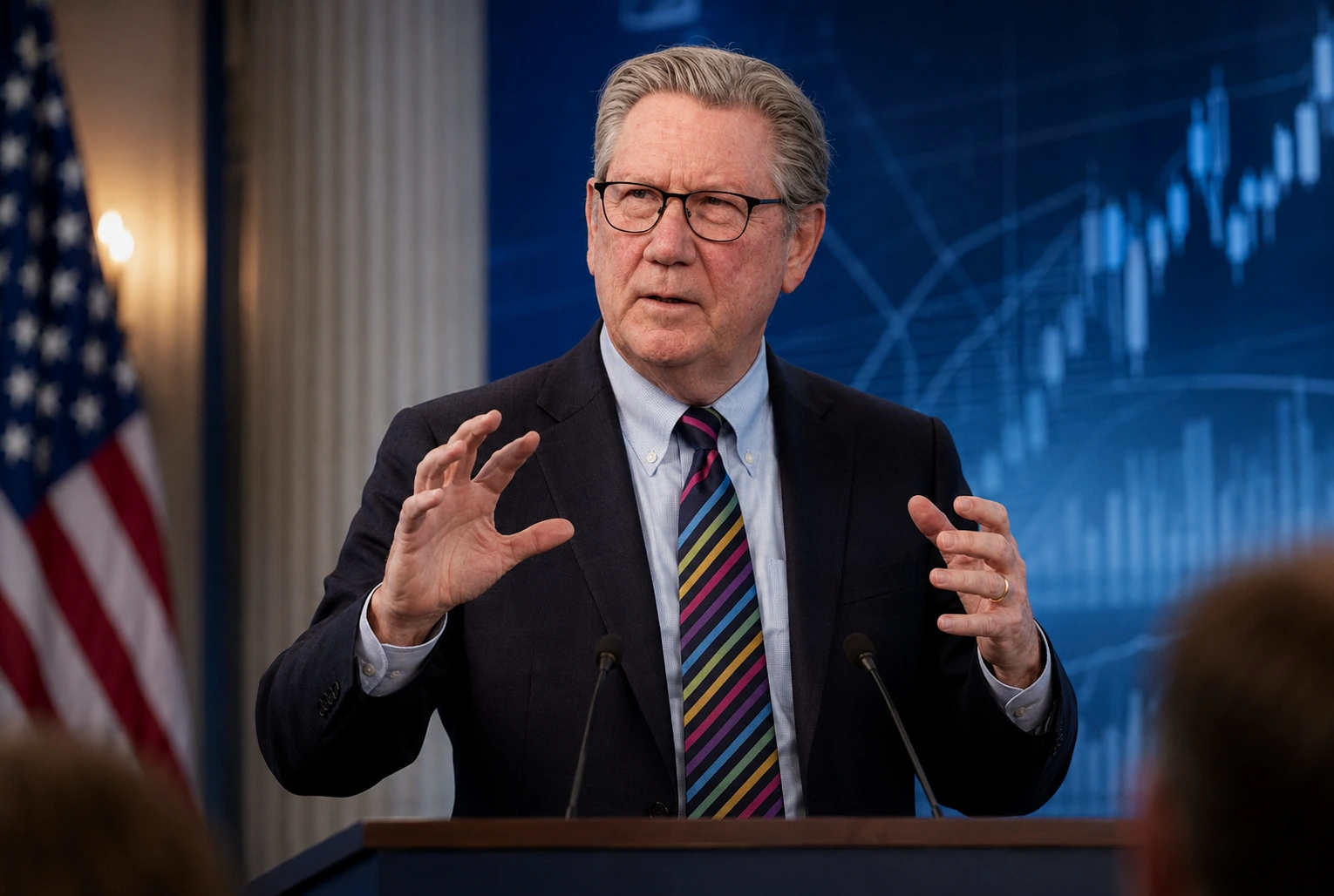
Jeff Schmid, president of the Federal Reserve Bank of Kansas City, said on Thursday that inflation remains broad-based across both goods and services and continues to be the primary focus of monetary policy, even as the labour market remains stable.
Speaking at an economic seminar in Nebraska, Schmid described the current inflation rate—which remains almost twice the Federal Reserve’s 2% target—as “concerning.” He rejected the view that higher prices are mainly the result of temporary factors, such as elevated oil prices, and will naturally decline on their own.
“I am uncomfortable concluding that an increase in inflation is likely to be merely transitory,” Schmid said. “Inflationary shocks are not inherently temporary.”
Schmid Urges Caution Despite Softer Inflation Data
Schmid, who does not hold a vote on interest-rate policy this year, did not explicitly call for an interest-rate increase in his prepared remarks.
He noted that inflation data released this week came in below expectations, partly because of the recent decline in oil prices. However, he warned that policymakers should remain cautious when interpreting the latest figures.
“It is too early to place excessive weight on a single data point relative to the recent trend,” Schmid said. “With oil prices rising again, it remains unclear how long any relief from lower energy costs will last.”
Markets Watch the Fed’s Next Policy Meeting
The Federal Reserve’s next policy meeting is scheduled for July 28–29.
Some policymakers have indicated that they could support an interest-rate increase if inflation fails to ease in the coming months, while financial-market participants expect the next rate increase to take place in September.
New Federal Reserve Chair Kevin Warsh has not yet outlined a clear policy position, saying that he intends to adopt a more disciplined approach to providing forward guidance on interest rates.
Schmid Defends Public Communication by Fed Officials
Schmid also defended the practice of Federal Reserve officials publicly discussing the economy and monetary policy.
He argued that transparency is essential for maintaining the central bank’s accountability, particularly because the Federal Reserve operates independently from elected government officials.
“Independence must be accompanied by accountability, and we can only be held accountable when we are transparent about our decision-making process,” Schmid said.
“Transparency is essential to avoid the perception that our decisions are politically influenced. If we do not explain our decisions, the public is left to speculate.”
This article was translated with the assistance of artificial intelligence. For further information, please review the Terms of Use.
About the Author